

Top 5 Historic Places in Bengaluru for a Cultural Day Out
0
Table of Contents
Bengaluru is often all about traffic, technology and fast-changing skylines. But the city reveals its deeper self when you slow down and look at its older corners. A palace, a fort, a temple and a grand public building together tell a longer story of power, faith, ambition and identity.
Every monument in Bangalore carries a different mood. Some feel regal, some deeply personal and some showcase the history.
Bangalore Palace: A Royal Pause in a Busy City

Bangalore Palace feels like the city stepping briefly into another era. Modelled on Windsor Castle in England, it brings together fortified towers, arches, elegant interiors, wooden carvings, paintings and royal memorabilia in one striking setting.
Even before you enter, the structure feels theatrical. Inside, it offers a glimpse of a Bengaluru once shaped by princely taste and ceremony. It is one of those landmarks that instantly changes the rhythm of your day and makes the city feel grander than expected.
Tipu Sultan’s Summer Palace: History in a More Intimate Form
Tipu Sultan’s Summer Palace feels quieter and more personal. Located within the old walls of Bangalore Fort, it is known for its Indo-Islamic design and its connection to Tipu Sultan’s life and rule.
Started by Hyder Ali and completed in 1791 during Tipu Sultan’s reign, the palace has a softer presence. It draws you in through detail, memory and the feeling that important moments once unfolded in rooms that now seem almost still.
Bangalore Fort: The Reminder of an Older Bengaluru
Bangalore Fort takes you even further back in time. The fort was built in 1537 by Kempegowda I, the founder of Bengaluru, as a mud fort. Later, Hyder Ali replaced it with a stone fort, and Tipu Sultan further strengthened it. Today, only parts of it remain, including the Delhi Gate and bastions, but that is enough to stir the imagination.
Standing here, you see a city that once had to protect itself, defend its power and define its boundaries long before it became the Bengaluru people know today.
Kote Venkataramana Temple: A Sacred Thread Through the City’s Past
Near the old fort area stands Kote Venkataramana Temple, a 17th-century shrine dedicated to Lord Venkateshwara. Built by Chikka Devaraja Wodeyar, the temple reflects Dravidian and Vijayanagara influences, adding a distinct texture to the city’s heritage.
Not every historic site speaks through military strength or royal display. Some speak through devotion. This temple does exactly that. It reminds you that Bengaluru’s past was also shaped by prayer, ritual, and communities that built places meant to endure across generations.
Vidhana Soudha: A Symbol of Public Pride
Then comes Vidhana Soudha, a landmark that feels different from the rest and yet belongs naturally in this story. Built in Neo-Dravidian style and completed in 1956, it serves as the seat of Karnataka’s legislature. Its scale, granite form and commanding presence make it one of the most recognisable buildings in the city.
Unlike the palace, fort, or temple, Vidhana Soudha represents a more modern chapter. But it still carries the same sense of weight. It tells you that heritage is not only about dynasties and battles. It is also about how a city chooses to represent itself.
Where to Stay in Bengaluru: A Taj Hotel Guide
After a day spent tracing Bengaluru’s layered past, where you stay matters, Taj Hotels offer three distinct ways to experience the city, depending on the mood of your trip.
- For travellers looking for hotels in Yeshwantpur, Taj Yeshwantpur, Bengaluru, is a great choice. The hotel stands in Bengaluru’s business district and pairs modern design with spacious comfort, dining options, and J Wellness Circle experiences
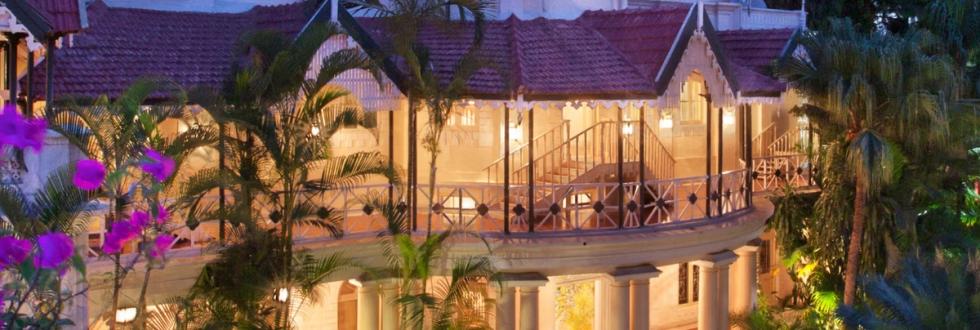
- Among the 5-star hotels in Bengaluru, Taj West End, Bengaluru, feels especially fitting for a heritage-led stay. The hotel itself is a storied retreat, set on 20 acres of lush gardens and known for its colonial charm
- For guests exploring hotels in MG Road, Taj MG Road, Bengaluru, offers a central, convenient address. Located close to the city’s cultural and commercial hubs, it works well for travellers who want to pair heritage outings with shopping, dining and an easy city experience.
Conclusion
Bengaluru’s past is not hidden. It rises through palace walls, lingers in old fort remains, lives in temple courtyards and stands tall in civic stone. These landmarks shape how the city feels even now.
Explore them slowly, and Bengaluru becomes richer, older and far more moving than it first appears.
About Author
STORY THEMES

OUR BRANDS